
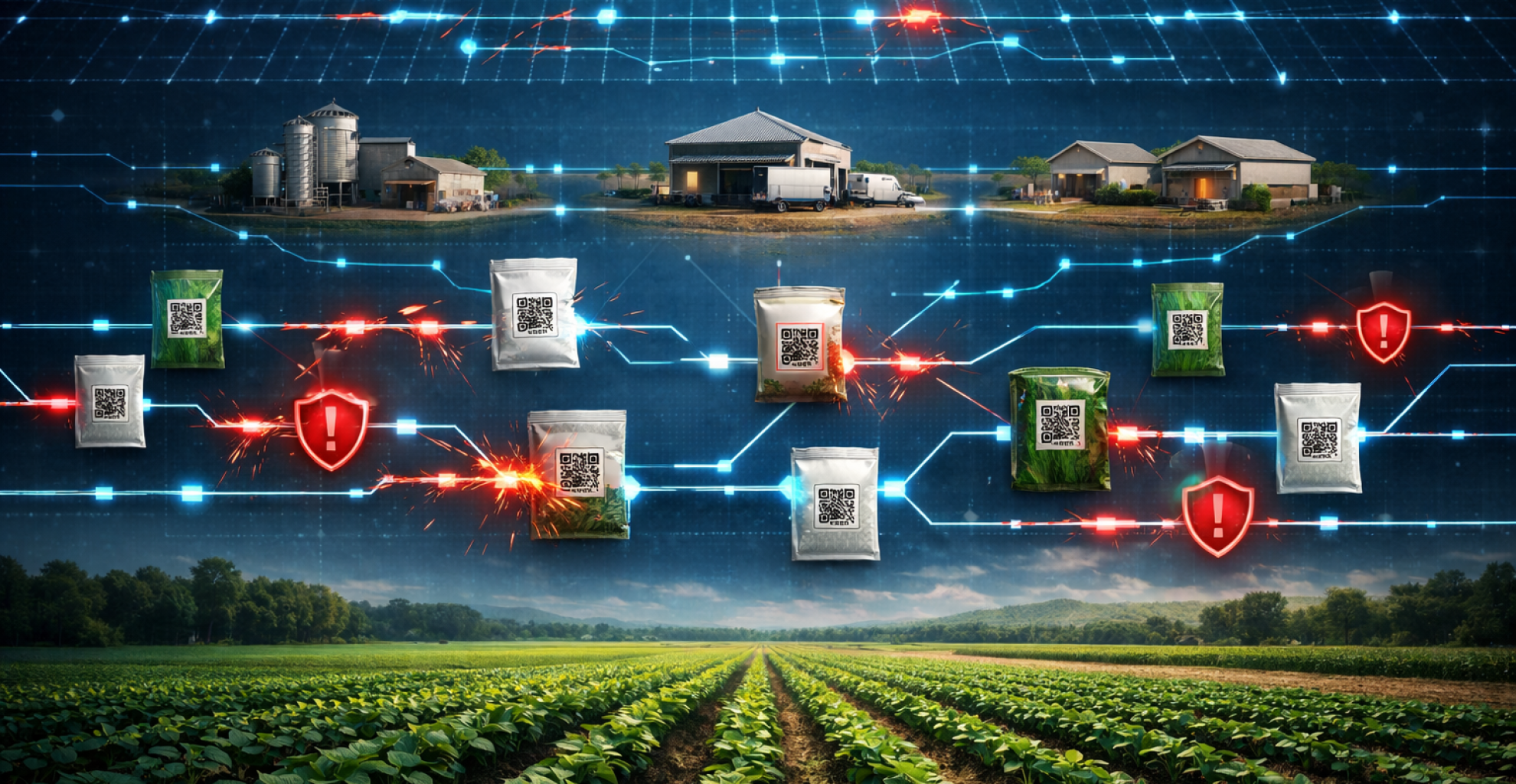
The Indian seed sector is transitioning toward comprehensive digital traceability with the SATHI (Seed Authentication, Traceability & Holistic Inventory) platform — an initiative designed to provide end-to-end monitoring of seed production, distribution and inventory. Operators across the value chain must align with these standards to avoid significant business risks. (scalion.com)
Regulatory Enforcement and Penalties
India’s regulatory authorities are actively considering amendments to the Seeds Act, 1966 that would strengthen quality control, traceability obligations and punitive measures for non-compliance. Proposed changes include enhanced penalties, fines and the possibility of imprisonment for the sale of fake, adulterated or low-quality seeds. Such provisions are being pursued to curb circulation of spurious seeds. (The Financial Express)
Failing to adopt mandated traceability and reporting processes can expose businesses to tightened enforcement under these evolving statutory frameworks, increasing legal exposure and financial liability.
Supply Chain Disruption and Operational Risk
Non-compliance with SATHI undermines digital visibility into seed batches across production, processing and dealer networks. Absence of accurate trace records increases the likelihood of:
- Rejection of consignments at checkpoints
- Delays in interstate or intrastate movement
- Ineffective recall management in case of quality issues
By not integrating with the traceability framework, companies risk operational blockers that degrade supply chain predictability. (scalion.com)
Product Seizure and Distribution Blacklisting
Regulators and enforcement officers are increasingly leveraging SATHI data to authenticate seed lineage and quality. Units or stakeholders unable to demonstrate trace records or compliant labeling may face product holds or seizures during inspections. Furthermore, dealers and distributors with repeated non-compliance may be restricted from participating in compliant supply networks — effectively leading to blacklisting from regulated distribution channels.
Business Continuity and Brand Integrity
Beyond direct regulatory consequences, failure to comply carries reputational harm. Non-traceable seed lots foster uncertainty among farmers and supply partners, undermining brand trust in a marketplace where authenticity is increasingly verifiable. Transparent traceability is becoming a de facto requirement for enduring industry relationships.
SATHI compliance is no longer optional. It is an operational imperative that mitigates legal penalties, protects supply chain continuity, reduces enforcement risk and preserves market credibility. Integration with the traceability framework should be treated as a strategic compliance and risk management priority.
